
Tons vs cubic yards: calculate a bulk material order
Cubic yards measure volume; US tons measure weight. Convert using the selected grade’s planning density, then apply its current minimum.
- Scope
- Spring preparation
- Pricing
- Current catalog; freight and tax separate
- Approval
- Match the grade to your project
Use the correct units
One cubic yard equals 27 cubic feet. One US short ton equals 2,000 pounds. For a rectangular area measured in feet with depth in inches, cubic yards = length × width × depth ÷ 324. Tons = cubic yards × the selected material's tons-per-cubic-yard density. Never treat a cubic yard as a ton.
Choose the material before converting
Granite, base, sand, topsoil and mulch do not share a universal density. Our calculator reads the current selected product's planning density. Moisture and source conditions can change the actual delivered weight. A loose bulk-density estimate is not a laboratory maximum dry density or a guarantee of compacted coverage.
Separate layers and irregular areas
Calculate each material layer independently with its own depth and density. Divide irregular spaces into measured rectangles and subtract areas not being filled. For a drain envelope, deduct the pipe and other displaced volume. Pad bid quantities may be compacted rather than loose; confirm the measurement basis before converting.
Apply minimums after the conversion
The suggested order quantity rounds the estimated tons up to the next 0.01 ton and meets the selected grade's live minimum. This is not an added waste or compaction allowance. If the project needs less than the minimum, the material subtotal still reflects the minimum order. Quote-only grades are not turned into invented calculator prices.
Freight is a separate calculation
A material subtotal is not the payable delivered total. Truck capacity, address, access and available haul rates determine delivery. Taxes are separate. Share your actual address and project date for confirmation, especially outside the confirmed standard haul bands. Dispatch assigns the truck and date manually.
Materials we deliver for this project
Current material prices and minimums. Confirm the grade for your project; delivery and sales tax are separate.
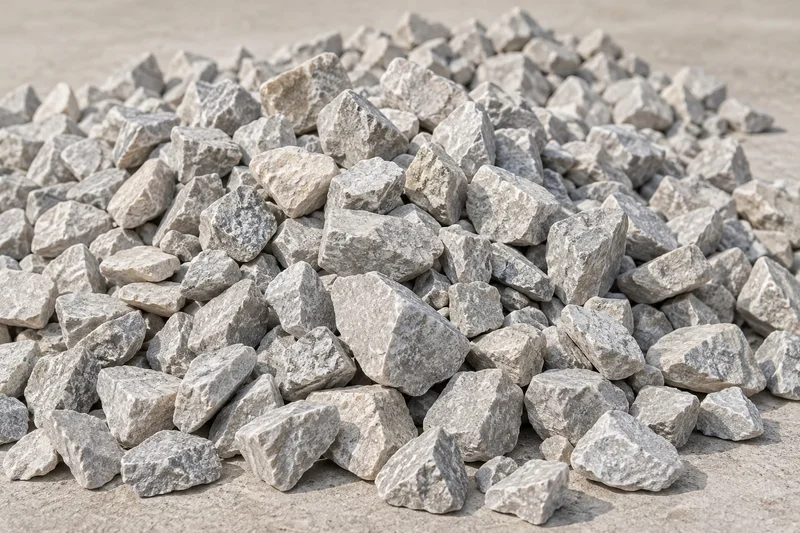
Crushed Limestone - Clean, 3/4 in
From $42.00/ton
Washed open graded drainage stone with no fines. Open-graded washed limestone, fines removed. Low; stays open so water can move through.
2 ton minimum
View material →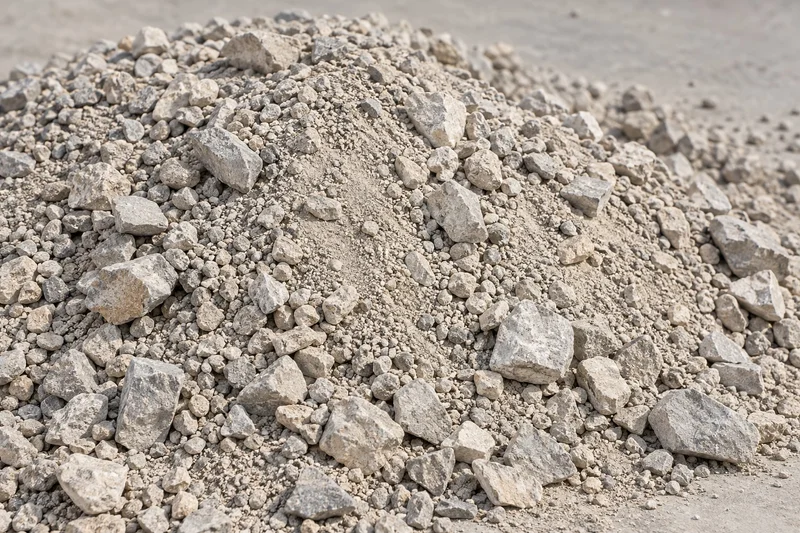
Limestone Flex Base - Standard
From $26.00/ton
Standard crushed limestone base with fines Standard crushed limestone base with fines. Follow the approved project moisture, lift thickness and installation specification.
3 ton minimum
View material →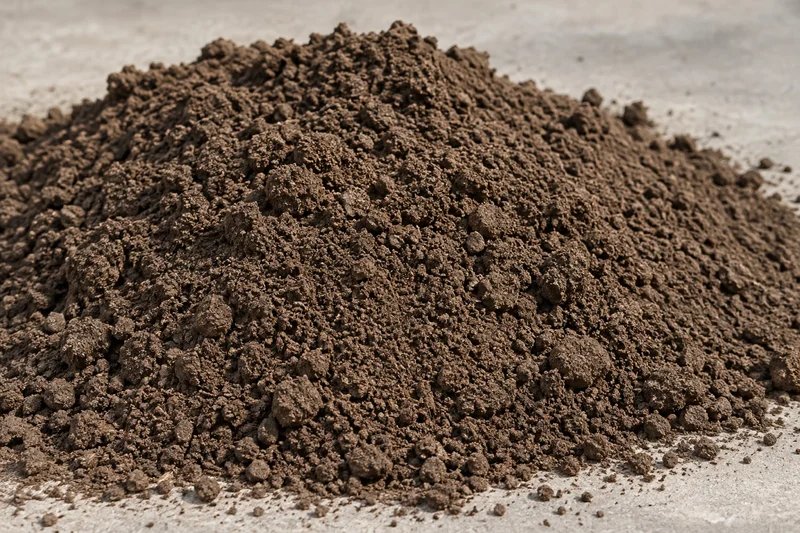
Screened Topsoil
From $40.00/ton
Clean screened topsoil for beds and lawns. Screened natural soil; small organics possible. Low; allow for settling after placement.
3 ton minimum
View material →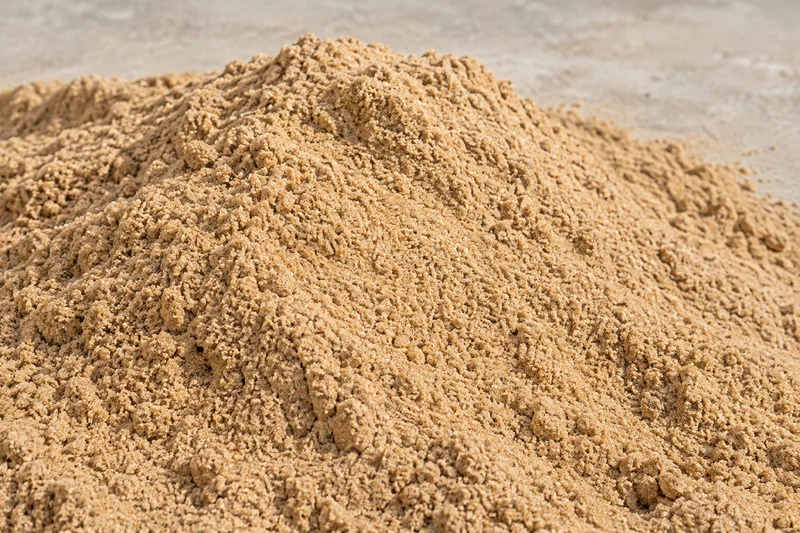
Fill Sand
From $24.00/ton
Economical bulk sand for pool bases, backfill and leveling. Unwashed natural fill sand. Good; dampen and compact in 4 to 6 in lifts.
3 ton minimum
View material →Quantity planning examples
Example dimensions only, not recommended installation depths. Prices and minimums come from the current catalog. No compaction or waste allowance is added; delivery and sales tax are separate.
| Example / material | Volume | Estimated tons | Order tons | Material subtotal |
|---|---|---|---|---|
One cubic yard, 18 × 18 ft at 1 in Limestone Flex Base - Standard | 1.00 yd³ | 1.55 | 3 3-ton min | $78.00 |
One cubic yard, 18 × 18 ft at 1 in Fill Sand | 1.00 yd³ | 1.30 | 3 3-ton min | $72.00 |
Two cubic yards, 18 × 18 ft at 2 in Limestone Flex Base - Standard | 2.00 yd³ | 3.10 | 3.1 3-ton min | $80.60 |
Two cubic yards, 18 × 18 ft at 2 in Fill Sand | 2.00 yd³ | 2.60 | 3 3-ton min | $72.00 |
Tonnage calculator
Enter your area and depth to see how many tons you need. Pick a material to use its real planning density. Confirm moisture and compaction needs for your site.
Auto-filled from Limestone Flex Base - Standard (1.55 t/yd³ · 3,100 lb/yd³). Override only if you know your source density.
Enter a length, width, and depth to calculate how many tons you need.
Planning estimate only. Actual tonnage varies with moisture, compaction and source. Material minimums apply; freight and sales tax are separate. Beyond 40 miles, delivery needs a confirmed address-specific quote. Dispatch confirms truck access and the requested date.
Delivery across Central Texas
Check your town and ZIP, then share the actual address, access restrictions and requested date. Dispatch confirms material availability, suitable equipment and timing. Freight outside confirmed haul bands requires an address-specific quote.
Further specification guidance
More guides
- Lawn topdressing in Central Texas: soil, timing and quantities
- Decomposed granite patios: base, drainage and buying guide
- How to fix a muddy driveway in Central Texas
- Bull rock vs riprap for erosion control in Central Texas
- French drain gravel: clean limestone vs pea gravel
- TxDOT Item 247 flexible base: a contractor buying checklist