
Lawn topdressing in Central Texas: soil, timing and quantities
Separate light topdressing from deep leveling and new-sod preparation. Match material to your turf, existing soil and drainage plan.
- Scope
- Spring preparation
- Pricing
- Current catalog; freight and tax separate
- Approval
- Match the grade to your project
Identify the job before choosing soil
Topdressing an established lawn, filling depressions and preparing a new root zone are different tasks. Identify turf type, drainage problems, existing soil and the purpose of the application. A screened topsoil label does not guarantee texture, fertility or freedom from weeds. Ask for the current product composition and a soil test where needed.
Choose timing around active growth
Warm-season turf must be able to recover from the work. Ask your turf professional when your specific grass and weather conditions support topdressing; winter dormancy is not automatically the right time. Avoid working saturated soil, which can compact the root zone and worsen drainage. Prepare measurements and pricing ahead of spring without promising a universal calendar date.
Do not bury the living lawn
Confirm a suitable application depth and material with the turf adviser. Thin topdressing is not the same as covering a lawn with a thick new-soil layer. Keep crowns, irrigation heads, drainage openings and building clearances exposed. Larger depressions may need a separate repair plan rather than repeated blanket applications.
Compare texture and amendments
Sandy loam, screened loam, topsoil and compost have different uses. Avoid assuming pure sand fixes clay or that more compost is always better. Check compatibility with existing soil, salts, nutrient needs and screening. Review a current sample when appearance and handling matter.
Calculate planned coverage
Measure the intended treated area, subtract paving and beds, then use the adviser-approved depth. The examples below are planning scenarios only, not lawn-depth recommendations. Density and moisture change truckload weight. Confirm the minimum, freight and a clean stockpile location before delivery.
Materials we deliver for this project
Current material prices and minimums. Confirm the grade for your project; delivery and sales tax are separate.
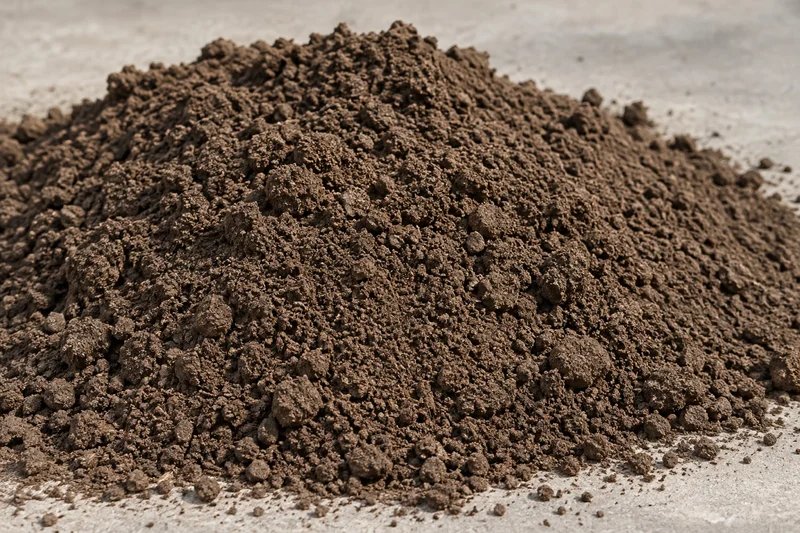
Screened Topsoil
From $40.00/ton
Clean screened topsoil for beds and lawns. Screened natural soil; small organics possible. Low; allow for settling after placement.
3 ton minimum
View material →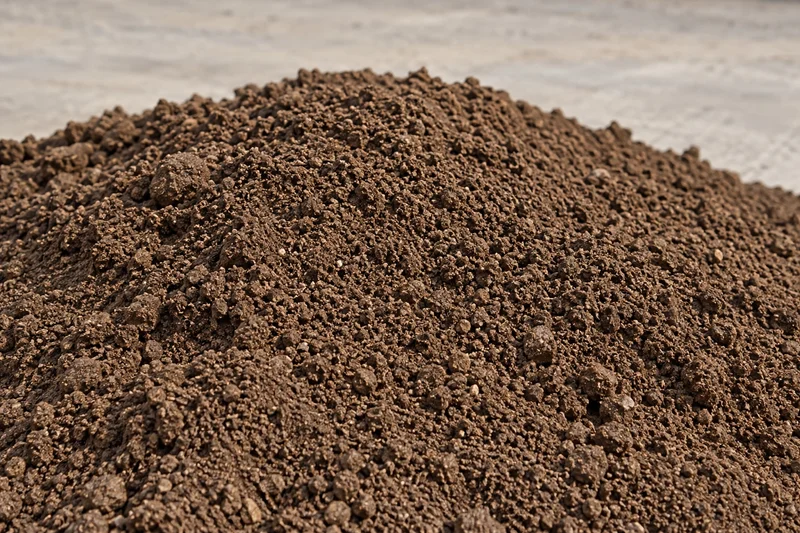
Chocolate Loam - Screened
From $43.00/ton
Dark screened loam for beds, lawns and gardens. Dark loam with natural organics, no rock or roots. Low; stays loose for roots.
2 ton minimum
View material →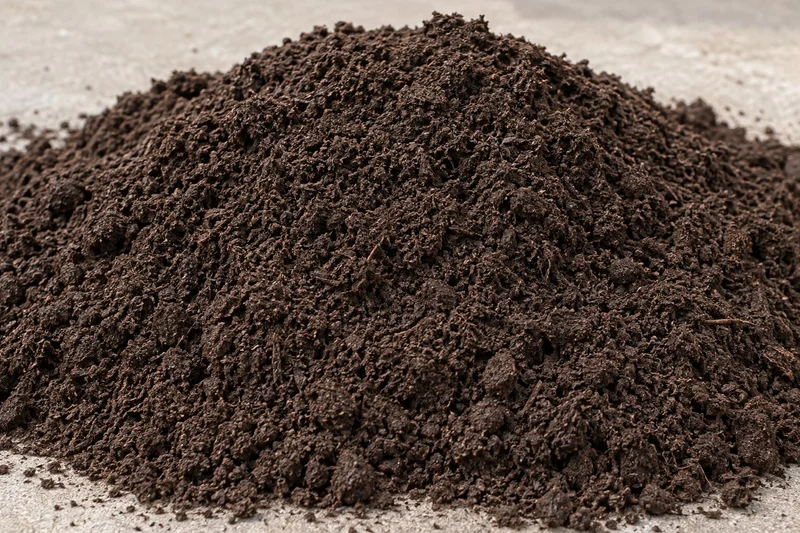
Organic Compost - Screened
From $75.00/ton
Aged compost sold on its own to amend your soil. Aged aerobic compost, weed seed free. Do not compact; till in or spread as a thin top dress.
2 ton minimum
View material →Quantity planning examples
Example dimensions only, not recommended installation depths. Prices and minimums come from the current catalog. No compaction or waste allowance is added; delivery and sales tax are separate.
| Example / material | Volume | Estimated tons | Order tons | Material subtotal |
|---|---|---|---|---|
Light coverage scenario, 40 × 40 ft at 0.25 in Screened Topsoil | 1.23 yd³ | 1.36 | 3 3-ton min | $120.00 |
Light coverage scenario, 40 × 40 ft at 0.25 in Chocolate Loam - Screened | 1.23 yd³ | 1.30 | 2 2-ton min | $86.00 |
Coverage scenario, 30 × 30 ft at 0.5 in Screened Topsoil | 1.39 yd³ | 1.53 | 3 3-ton min | $120.00 |
Coverage scenario, 30 × 30 ft at 0.5 in Chocolate Loam - Screened | 1.39 yd³ | 1.46 | 2 2-ton min | $86.00 |
Tonnage calculator
Enter your area and depth to see how many tons you need. Pick a material to use its real planning density. Confirm moisture and compaction needs for your site.
Auto-filled from Screened Topsoil (1.10 t/yd³ · 2,200 lb/yd³). Override only if you know your source density.
Enter a length, width, and depth to calculate how many tons you need.
Planning estimate only. Actual tonnage varies with moisture, compaction and source. Material minimums apply; freight and sales tax are separate. Beyond 40 miles, delivery needs a confirmed address-specific quote. Dispatch confirms truck access and the requested date.
Delivery across Central Texas
Check your town and ZIP, then share the actual address, access restrictions and requested date. Dispatch confirms material availability, suitable equipment and timing. Freight outside confirmed haul bands requires an address-specific quote.
More guides
- Decomposed granite patios: base, drainage and buying guide
- Tons vs cubic yards: calculate a bulk material order
- How to fix a muddy driveway in Central Texas
- Bull rock vs riprap for erosion control in Central Texas
- French drain gravel: clean limestone vs pea gravel
- TxDOT Item 247 flexible base: a contractor buying checklist