
French drain gravel: clean limestone vs pea gravel
Choose clean aggregate that matches the drain design, then account for the pipe, filtering and a working outlet before estimating gravel.
- Scope
- Winter drainage
- Pricing
- Current catalog; freight and tax separate
- Approval
- Match the grade to your project
The quick buying answer
For an aggregate-filled French drain, choose the clean size and grading required by the system designer or pipe manufacturer. Dense-graded road base contains fines and is not interchangeable with clean drainage stone. Nominal clean limestone and pea gravel differ in shape and size; neither name alone proves suitability. Confirm current grading and fines content before ordering.
A drain needs somewhere to discharge
Stone creates void space but does not create an outlet. Identify lawful discharge, required slope, pipe configuration and the soil conditions that influence performance. A trench that ends without an appropriate outlet can collect water beside a building. Foundation drainage, retaining walls and recurring flooding merit qualified design rather than a generic trench recipe.
Check the filtering system
Filtering must be compatible with the native soil and selected aggregate. Do not assume any landscape fabric is an appropriate drainage geotextile. Follow the designed envelope, pipe perforation orientation and maintenance access. Keep soil and construction debris out of clean stone while storing and installing it.
Subtract the pipe and other occupied volume
Measure the gravel envelope, not automatically the full excavation. The simple examples below show gross rectangular volume before pipe displacement. Your installer should deduct pipe and other occupied volume and confirm the final quantity. Calculate outlet bedding and separate drain runs independently.
Order with access and minimums in mind
Compare the live price and minimum for each approved grade below. Small trenches can require less material than the delivery minimum. Share the address and dump location and ask for confirmed freight; material and sales tax are separate. Dispatch confirms the truck and delivery date.
Materials we deliver for this project
Current material prices and minimums. Confirm the grade for your project; delivery and sales tax are separate.
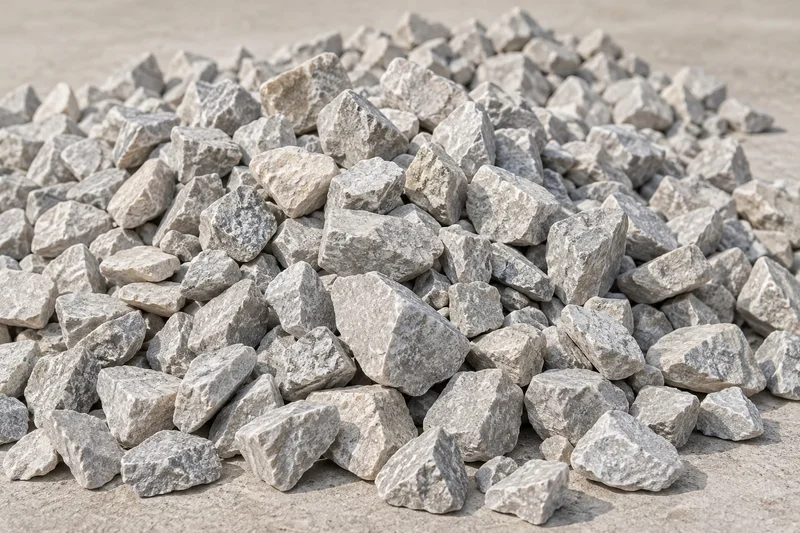
Crushed Limestone - Clean, 3/4 in
From $42.00/ton
Washed open graded drainage stone with no fines. Open-graded washed limestone, fines removed. Low; stays open so water can move through.
2 ton minimum
View material →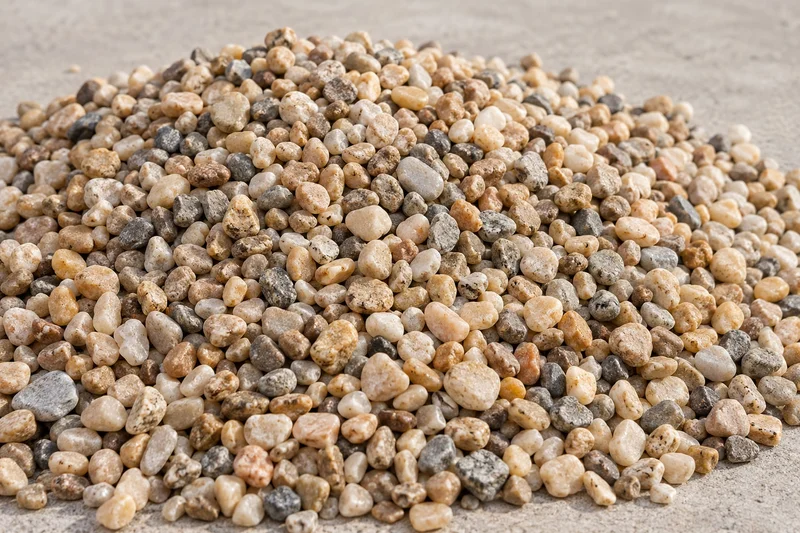
Pea Gravel
From $50.00/ton
Smooth rounded stone for paths and play areas. Washed, consistently small gravel. Low; remains movable underfoot.
2 ton minimum
View material →Quantity planning examples
Example dimensions only, not recommended installation depths. Prices and minimums come from the current catalog. No compaction or waste allowance is added; delivery and sales tax are separate.
| Example / material | Volume | Estimated tons | Order tons | Material subtotal |
|---|---|---|---|---|
Gross envelope, 50 × 1 ft at 12 in Crushed Limestone - Clean, 3/4 in | 1.85 yd³ | 2.50 | 2.5 2-ton min | $105.00 |
Gross envelope, 50 × 1 ft at 12 in Pea Gravel | 1.85 yd³ | 2.59 | 2.6 2-ton min | $130.00 |
Gross envelope, 100 × 1.5 ft at 12 in Crushed Limestone - Clean, 3/4 in | 5.56 yd³ | 7.50 | 7.5 2-ton min | $315.00 |
Gross envelope, 100 × 1.5 ft at 12 in Pea Gravel | 5.56 yd³ | 7.78 | 7.78 2-ton min | $389.00 |
Tonnage calculator
Enter your area and depth to see how many tons you need. Pick a material to use its real planning density. Confirm moisture and compaction needs for your site.
Auto-filled from Crushed Limestone - Clean, 3/4 in (1.35 t/yd³ · 2,700 lb/yd³). Override only if you know your source density.
Enter a length, width, and depth to calculate how many tons you need.
Planning estimate only. Actual tonnage varies with moisture, compaction and source. Material minimums apply; freight and sales tax are separate. Beyond 40 miles, delivery needs a confirmed address-specific quote. Dispatch confirms truck access and the requested date.
Delivery across Central Texas
Check your town and ZIP, then share the actual address, access restrictions and requested date. Dispatch confirms material availability, suitable equipment and timing. Freight outside confirmed haul bands requires an address-specific quote.
Further specification guidance
More guides
- How to fix a muddy driveway in Central Texas
- Bull rock vs riprap for erosion control in Central Texas
- TxDOT Item 247 flexible base: a contractor buying checklist
- Pipe bedding sand: specifications, testing and submittals
- Select fill for Texas building pads: testing and approval
- Lawn topdressing in Central Texas: soil, timing and quantities