
Texas sage: planting and care guide
Texas sage (Leucophyllum frutescens), also called cenizo, is a native evergreen shrub with gray foliage and purple blooms, often after rain.
- Sun
- Full sun
- Water
- Very low once established
- Soil
- Fast-draining, including rocky and alkaline soil
Why it fits Central Texas
Texas sage handles heat, drought and alkaline limestone soil. Too much water or shade usually does more harm than too little, making it a strong choice for low-water landscapes.
Preparing the bed for Texas sage
Central Texas ground is often heavy clay or thin soil over limestone. Avoid rich, heavily amended beds. Plant in native soil or add a little topsoil where the ground is very thin, and finish with gravel or decomposed granite instead of heavy mulch. Top the finished bed with 2–3 inches of mulch, kept a few inches off the stems, to hold moisture through summer.
Materials we deliver for this project
We don't sell plants. Current material prices and minimums. Confirm the grade for your project; delivery and sales tax are separate.
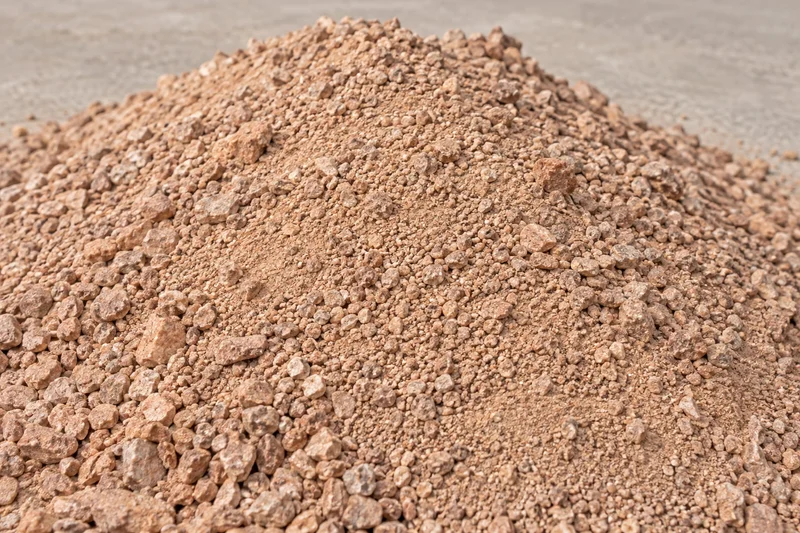
Decomposed Granite
From $42.00/ton
Warm tan DG for paths, patios and xeriscape. Typical sieve analysis: ⅜ in 100% passing · No. 4 90–100% · No. 10 70–90% · No. 40 35–55% · No. 200 10–20% fines. High; compact in 2 to 3 in lifts at optimum moisture to 95% standard Proctor. Typical CBR 60+ compacted..
2 ton minimum
View material →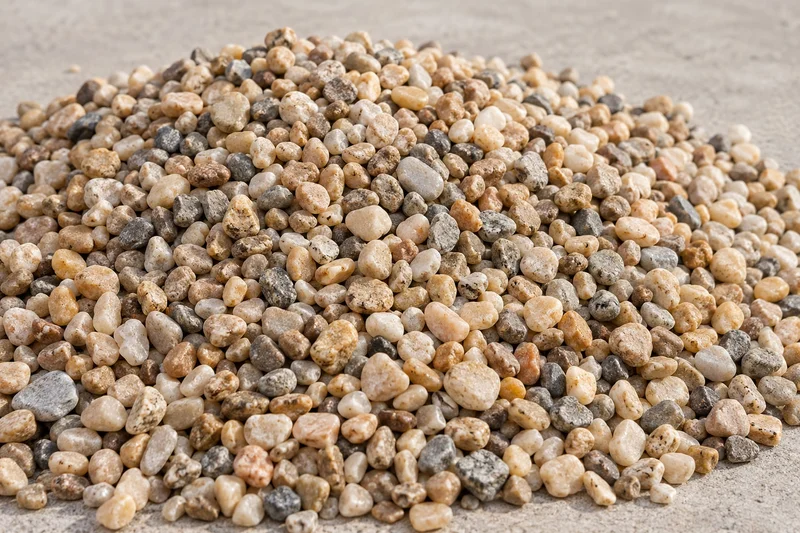
Pea Gravel
From $50.00/ton
Smooth rounded stone for paths and play areas. Washed, consistently small gravel. Low; remains movable underfoot.
2 ton minimum
View material →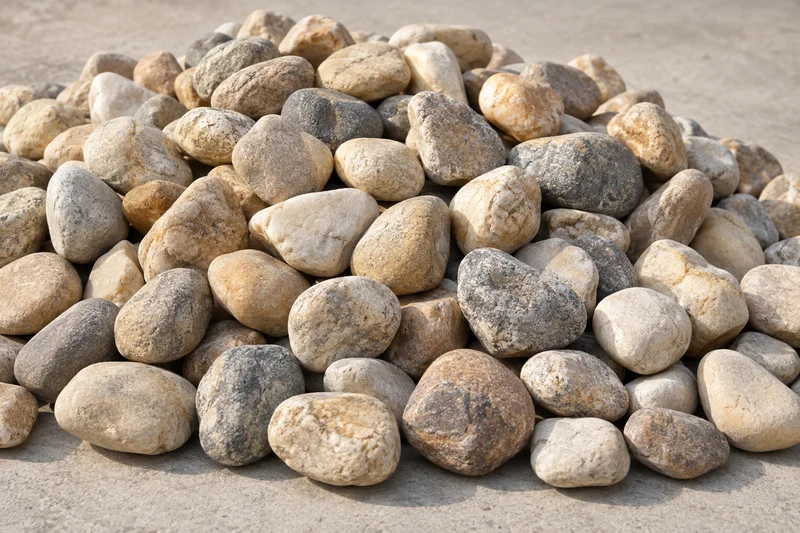
Texas River Rock
From $50.00/ton
Rounded 1"-3" rock for dry creeks. Washed, rounded mixed-size stone. Low; use containment or edging.
2 ton minimum
View material →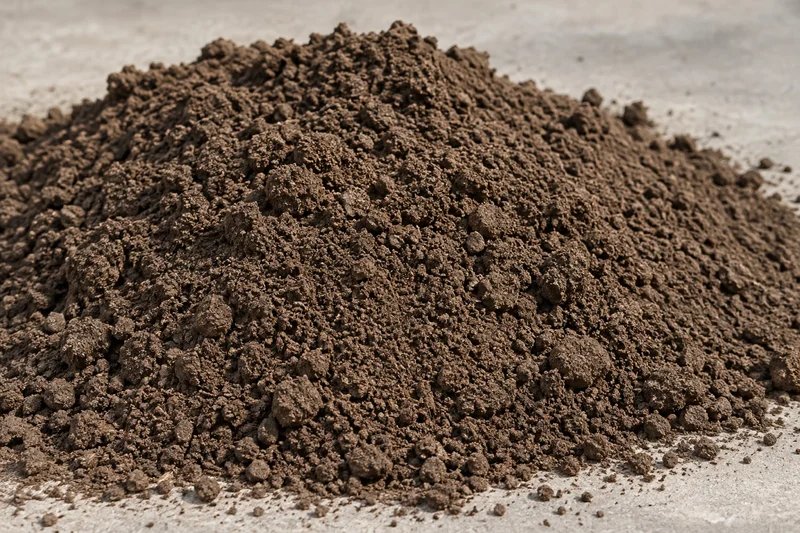
Screened Topsoil
From $40.00/ton
Clean screened topsoil for beds and lawns. Screened natural soil; small organics possible. Low; allow for settling after placement.
3 ton minimum
View material →