Gravel path buying guide for Central Texas
Choose a path surface for walking comfort, stability and drainage. Compare decomposed granite, angular crushed stone and pea gravel with the right base and edging.
- Walking surface
- Confirm texture with a current sample
- Edges
- Contain loose material
- Accessible routes
- Require a designed firm, stable surface
Decomposed granite or gravel?
Decomposed granite with fines can compact for paths, but unstabilized material may dust, track or erode. Angular crushed stone interlocks differently from rounded pea gravel. Pea gravel can feel comfortable in some garden settings but rolls underfoot and needs containment. Neither loose gravel nor unstabilized granite is automatically wheelchair-accessible; confirm firmness, stability, slope and local requirements with your designer.
Build a path that sheds water
Remove vegetation and soft material, establish the finished elevation and provide drainage rather than creating a trench that traps water. Confirm base layers and separation fabric for the soil. Edging helps keep loose material out of lawns and planting beds. Avoid directing runoff toward a slab or neighboring property.
Measure curves in sections
Divide curved paths into short rectangular sections and calculate each using length, average width and the specified depth. Add the section volumes and calculate each different layer separately. Depth is a design input, not a universal recommendation; compacted layers may require a contractor-confirmed loose-material allowance.
Check comfort and upkeep
Review a current sample for nominal size, shape and bare-foot comfort before a large order. Rake displaced stone back, remove leaves and weeds, and repair washouts only after correcting runoff. Keep path surfaces below door thresholds and away from drainage openings.
Make room for the load
Arrange a firm dump location and a way to move material from the truck to the path. Delivery does not include spreading or compaction. Freight and sales tax are separate; beyond 40 miles, request a confirmed address-specific delivery quote. Dispatch confirms access and scheduling.
Materials we deliver for this project
Current public prices, grade details and canonical product links. Delivery and sales tax are separate.
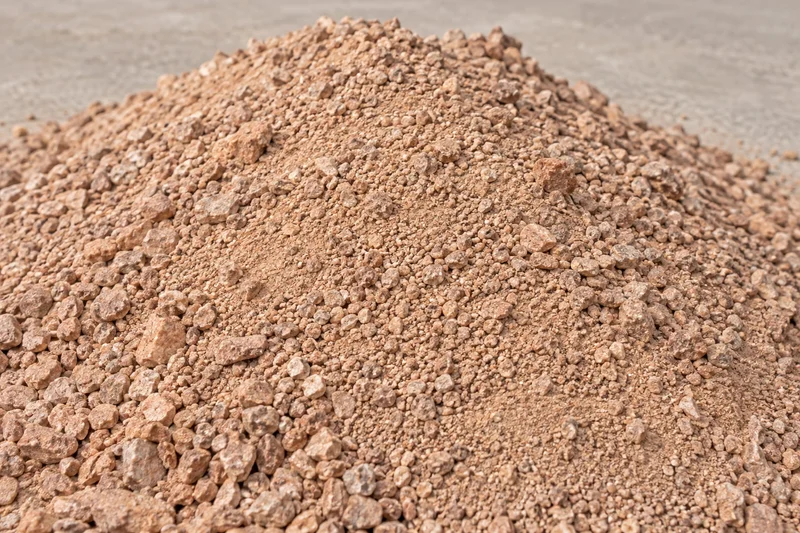
Decomposed Granite
From $42.00/ton
Warm tan DG for paths, patios and xeriscape. Typical sieve analysis: ⅜ in 100% passing · No. 4 90–100% · No. 10 70–90% · No. 40 35–55% · No. 200 10–20% fines. High; compact in 2 to 3 in lifts at optimum moisture to 95% standard Proctor. Typical CBR 60+ compacted..
2 ton minimum
View material →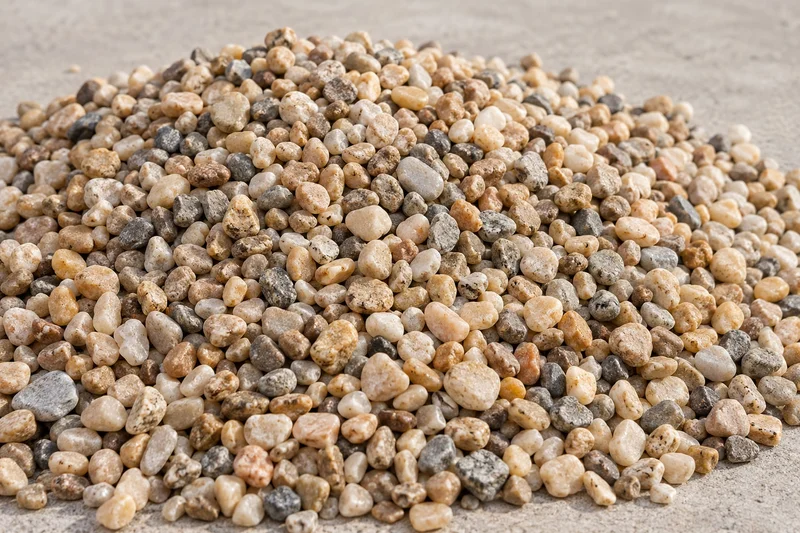
Pea Gravel
From $50.00/ton
Smooth rounded stone for paths and play areas. Washed, consistently small gravel. Low; remains movable underfoot.
2 ton minimum
View material →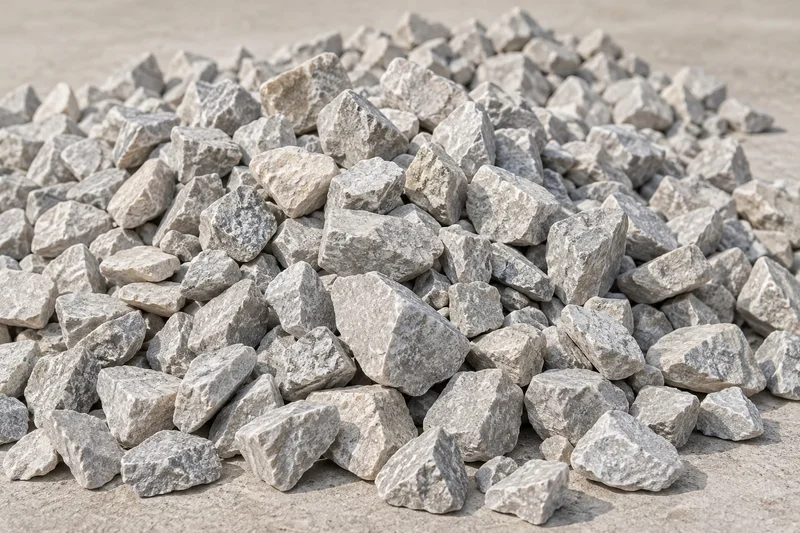
Crushed Limestone - Clean, 3/4 in
From $42.00/ton
Washed open graded drainage stone with no fines. Open-graded washed limestone, fines removed. Low; stays open so water can move through.
2 ton minimum
View material →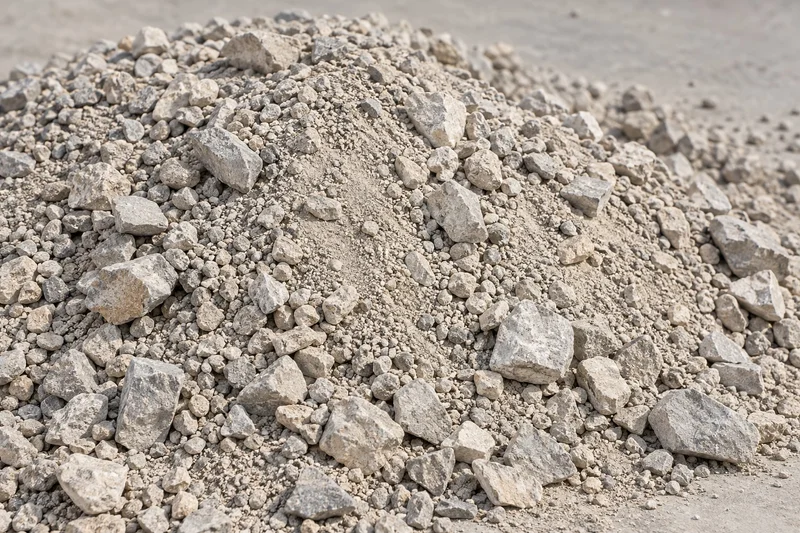
Limestone Flex Base - Standard
From $26.00/ton
Standard crushed limestone base with fines Standard crushed limestone base with fines. Follow the approved project moisture, lift thickness and installation specification.
3 ton minimum
View material →Gravel quantity calculator
$42.00/ton · 1.35 tons/yd³ planning density · 2 ton minimum
French drains, Retaining wall backfill, Septic and foundation drainage · Open-graded washed limestone, fines removed
Use the depth specified for your project. Calculate each layer or rectangular section separately. No compaction or waste allowance is automatically added.
Enter positive length, width and depth to see volume, tons and material cost.
Request a delivered quotePlanning estimate only. Moisture, source density and compaction affect actual quantities. Confirm finished depth and any allowance with your installer. Standard delivery bands end at 40 miles; longer hauls need an address-specific quote. Truck access and scheduling are confirmed by dispatch.
Project planning